

Hospitals, doctors’ offices, nursing homes, foster care, rehabilitation centers, and other treatment facilities are places where people expect to receive medical care, support, and help with healing or recovery. When sexual abuse occurs here, it often happens during moments of vulnerability, when individuals may be physically, emotionally, or cognitively dependent on others.
At The Pride Law Firm, we work with survivors of sexual abuse in care and treatment facilities to help them make sense of what happened and learn what legal options may be available. With Jessica Pride guiding our firm, we approach these cases with care and patience, giving survivors a confidential space to ask questions and move forward in a way that feels right for them.
In our experience, some of the most common cases of abuse in care and treatment settings involve:
These reflect only some of the places where abuse occurs when people are seeking treatment or support.
Understanding Assault in Care and Treatment Facilities
Sexual assault in care and treatment settings often occurs behind closed doors, during exams, procedures, or moments when a survivor is physically or emotionally vulnerable. Abuse may be committed by doctors, nurses, technicians, aides, caregivers, or other staff who are trusted to provide care.
In hospitals, foster care, and other residential facilities, people may depend on staff for housing, medical treatment, mobility, or basic daily needs. That dependency, combined with isolation from loved ones or lack of alternative care options, can make it feel unsafe to report sexual assault. Survivors may fear retaliation, loss of services, or being dismissed as confused or mistaken.
In cases of medical sexual abuse, survivors often leave appointments feeling unsettled or unsure whether a provider crossed professional boundaries. When abuse is subtle, normalized, or framed as medical care, it can take time to recognize that what occurred was inappropriate.
Similar patterns can occur in various types of therapy. Massage therapy sexual assault frequently involves inappropriate touching during sessions where people are expected to disrobe, relax, and trust the practitioner. The therapeutic setting and expectations of professionalism can make survivors doubt their instincts or question whether they misunderstood what happened.
Rehab sexual abuse typically occurs when receiving treatment for substance use and mental health conditions. People in rehab may be medicated, emotionally vulnerable, or working through trauma, which can increase their dependence on staff and reduce their ability to recognize or immediately report abuse. In some facilities, limited oversight, shared living spaces, or one-on-one interactions with counselors or staff can create opportunities for misconduct. Survivors may fear that speaking up will jeopardize their treatment, housing, or recovery progress.
Across care environments, survivors may hesitate to come forward out of fear that they will not be believed or that their experience will be minimized.
The Impact of Sexual Abuse in Care Settings
The effects of sexual abuse in care and treatment facilities can be extremely damaging. Survivors may develop fear around medical providers and avoid care altogether, even when it is medically necessary. When survivors do speak up and are dismissed or ignored, the harm is often compounded. Others may not fully understand what happened until years later, particularly when the abuse occurred during childhood or while they were medicated, sedated, or emotionally vulnerable. These feelings are common among survivors and do not make the abuse any less real or serious.
Where sexual assault happens is often closely connected to how the abuse occurred and why it was able to continue. In care and treatment facilities, power imbalances, privacy, and professional authority can create conditions where abuse is easier to conceal and harder to challenge.
Understanding how sexual assault occurs in these environments can help survivors make sense of their experiences and also help them to determine whether a facility or organization failed to protect the people in its care.
How a California Sexual Assault Attorney Can Help After Abuse in Care & Treatment Facilities
Survivors of sexual abuse in care and treatment settings often have questions about accountability, reporting, and whether legal options exist, especially when the abuse involved a medical professional, caregiver, or institution.
A California sexual assault attorney can help assess whether a hospital, clinic, facility, or employer failed to properly screen or supervise staff, ignored complaints or warning signs, or failed to protect patients, residents, or children in their care. Civil claims may involve individual abusers, facilities, corporate owners, or other responsible entities.
Speaking with a lawyer does not require survivors to take action. It simply provides information and clarity in a confidential setting.
At The Pride Law Firm, we understand how difficult it can feel to speak out when abuse occurred in a setting where you were supposed to be protected and cared for by others. Survivors may still rely on the same care systems while seeking answers, which can make the process feel even more overwhelming.
Our team approaches these cases with patience, respect, and discretion. We listen, explain options clearly, and never pressure survivors to report, file claims, or take steps before they are ready. We understand how fear of retaliation, loss of care, or disbelief can prevent survivors from coming forward.
The Pride Law Firm Can Offer Support
If you experienced sexual abuse in a care or treatment facility, what happened to you matters. Responsibility lies with the person who caused harm and with any institution that failed to protect you.
You do not need to have everything figured out to reach out. If and when you feel ready, you can contact The Pride Law Firm for a confidential consultation or call (619) 516-8166. Asking questions does not obligate you to take legal action. We are here to provide information, support, and advocacy at your pace and on your terms.
Proudly Representing California Residents
FAQs About Sexual Abuse in Care and Treatment Facilities
Sexual abuse can occur in hospitals, doctors’ offices, clinics, foster care, residential facilities, rehabilitation centers, and massage therapy settings. Abuse often involves misuse of authority, access, or trust during moments of vulnerability.
Many survivors feel unsure, especially when abuse was subtle or disguised as care. Feeling confused, unsettled, or violated after an appointment or session is common. You do not need to label your experience to seek information or support.
Medical and therapeutic settings require trust. When a provider crosses boundaries, touches you in a way that is not necessary, or does not clearly explain what they are doing, that behavior may be sexual abuse, even if it was framed as care.
In many cases, yes. Facilities may be legally responsible if they failed to properly screen staff, ignored complaints, or failed to protect people in their care.
Many sexual assault survivors worry about losing access to care or treatment. Speaking with a lawyer does not require reporting to the facility or taking any immediate action. If you are still receiving care, it’s important to prioritize your safety and well-being. That may mean seeking care from a different provider, bringing a trusted person with you to appointments, or finding support outside the facility where the abuse occurred. A legal consultation can help you think through options without putting your care at risk.
Some people speak up right away to report sexual assault, while others need years or even decades to understand what happened or to feel safe talking about it. California law may still allow legal options depending on the circumstances and timing of the abuse.
No. A confidential consultation does not obligate you to file a lawsuit or pursue a claim. You can reach out simply to ask questions, understand your rights, or talk through what happened in a private setting. You remain in control of what happens next, including whether you take action now, later, or not at all.
Recent News

In recent years, a disturbing trend has emerged, sexual assaults committed by medical professionals, preying on patients when they are at their most defenseless.

Nursing homes are places where people should be protected. What can you do if a sexual predator threatens this safe place?

Sexual assault in psychiatric facilities is one of the most prevalent, yet least-discussed forms of sexual assault.

Underreporting, lack of data, and inadequate legal enforcement have allowed sexual assault in psychiatric facilities to persist.

Our firm is representing a victim in a case against Dr. Pathak, who has been charged with sexual misconduct against female patients.
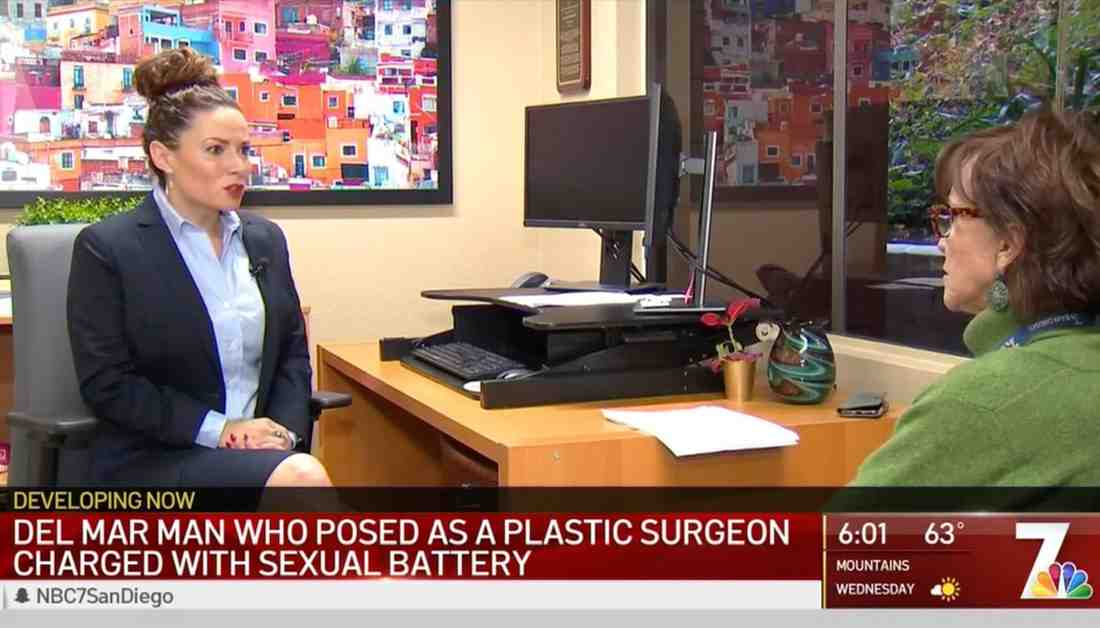
Hombre Haciéndose Pasar Por Un Cirujano Plástico De Del Mar [...]

Understanding Massage Assault Massages are meant to be a soothing [...]

“It never sat well with me all these years,” explained [...]
